60 DAYS : 02 HOURS : 49 MINS LEFT
Challenge Details

YOUR CHALLENGE IS:

DESIGN AN EXPERIMENT TO TEST ON A HIGH-ALTITUDE BALLOON

ENTRIES DUE: November 02, 2026 | 11:59 PM PT

Learn About The Challenge

Are you ready for this year’s NASA TechRise Student Challenge? This competition provides a hands-on opportunity for participants to gain critical skills in engineering, computing, electronics, and more that will be required for America’s technical workforce. If you are in sixth to 12th-grade at a U.S. public, private, or charter school – including those in U.S. territories – your challenge is to team up with your schoolmates and develop a science or technology experiment idea for for the following NASA TechRise flight vehicle:


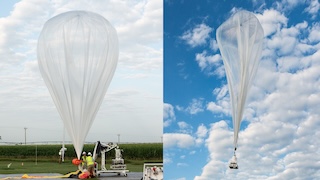
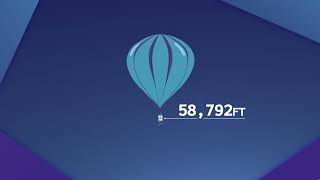
  • High-Altitude Balloon with approximately 4 to 8 hours of flight time at 70,000 to 95,000 feet and exposure to Earth’s upper atmosphere, radiation, and perspective views of our planet.
A total of 60 winning teams will be selected to build their proposed experiment. Each winning team will be awarded:
  • $1,500 to build their experiment
  • A starter kit, including a flight box in which to build their experiment
  • An assigned spot to test their experiment on a NASA-sponsored flight
  • Virtual mentoring and technical support during the experiment build phase from Future Engineers advisors, who will help students learn the skills they need to turn their experiment idea into reality

Note that no experience is necessary to participate in the NASA TechRise Challenge! The steps below will help your team plan and submit your experiment idea. 

Steps to Enter
Entries Due By: November 2, 2026
1
Step 1 - FORM A TEAM & REGISTER
Make a team with at least four students and one team lead (a teacher or school employee). All students must be in sixth through 12th-grades and attend the same U.S. public, private, or charter school. Students can be from one grade or across multiple grades, and there is no maximum number of students per team. Have your team lead register as soon as possible using the red “teacher signup” button. This helps us keep your team informed about the challenge.
2
Step 2 - REVIEW THE PROPOSAL EXAMPLE & TEMPLATE, EDUCATOR GUIDE, AND RULES
It's important to understand the requirements! Review the Proposal Example & Template, Educator Guide, and Rules, which you will use to submit your experiment idea.
NASA TECHRISE PROPOSAL EXAMPLE & TEMPLATE
EDUCATOR GUIDE
RULES
3
Step 3 - LEARN ABOUT BALLOONS
Watch the video below to learn about high-altitude balloon flights, the conditions in Earth’s atmosphere, and the types of data that can be collected at 70,000 - 95,000 feet. From climate research to technology testing in conditions similar to space, there is much to see and learn in the stratosphere.

BALLOON BALLOON

About Balloons Video
play
About High-Altitude Balloons Slide Deck
PDF
image1 (3).jpg
Experiment Flight Box
4
Step 4 - HIGH-ALTITUDE BALLOON
BRAINSTORM
There are many experiment ideas to consider! The brainstorming topics below will help your team think about possible experiment ideas to test on a high-altitude balloon.
BRAINSTORM SLIDE DECK
BRAINSTORM WORKSHEET
DESIGN
Now it’s time to design your experiment! Think about what you would use to bring your experiment idea to life. From motors to sensors to microcontrollers, explore components for your design. You do NOT need to build your idea unless your team is selected as a winner, and you do not need any previous experience using these components to participate.
PLAN YOUR EXPERIMENT DESIGN SLIDE DECK
EXPLORE COMPONENTS WORKSHEET
5
Step 5 - SUBMIT YOUR PROPOSAL
Write up the experiment idea using the NASA TECHRISE PROPOSAL EXAMPLE & TEMPLATE. After your team drafts the proposal, the teacher or school employee must submit the proposal/s on or before November 2, 2026 via their Future Engineers dashboard to enter the challenge. Educators/schools can submit an unlimited number of proposals for an unlimited number of teams, but each proposal must be unique.
Winners Announced
January 19, 2027
A total of 60 winning teams will be selected to participate in this year’s NASA TechRise Student Challenge. Each winning team will receive a prize package that consists of $1,500 to build their experiment, a starter kit, including a flight box in which to build their experiment, and an assigned spot for the winning experiment on a NASA-sponsored high-altitude balloon flight. The winning teams will also have access to technical support and weekly team meetings with Future Engineers experts during the experiment build period.
BUILD & LAUNCH YOUR EXPERIMENT
January 19, 2027 – Summer 2027
Winning teams will receive their welcome package immediately after the winner’s announcement on January 19, 2027, and can then start building their experiment. Each team will meet regularly with the TechRise advisory team virtually and learn (or improve) the skills needed to build their experiment. All experiments must be mailed to Future Engineers no later than May 19, 2027. The experiments will launch on their flight test vehicle in summer 2027.
Prize Boxes Sent
January 2027
Experiment Build Begins
January 19, 2027
Winner Showcase
May 18, 2027
Send in Experiments
May 19, 2027
Experiments Launch
Summer 2027

JOIN US FOR THESE EVENTS:


NASA TechRise Virtual Field Trip
September 22, 2026 – 11:00 am PT
Students and Educators! Join this virtual field trip to hear from Dr. Kevin Crosby- visiting research scientist at the NASA Johnson Space Center. Dr. Crosby is a researcher and leader dedicated to expanding educator and student access to authentic space research experiences. Participate in a live Q&A, learn about high-altitude balloons, and understand how to submit a proposal for the NASA TechRise Student Challenge.

RSVP

RSVP


DATES / JUDGING CRITERIA / PRIZES

You have to play by the rules to win.

WHO CAN ENTER

The NASA TechRise Student Challenge is for SCHOOLS in U.S. states and territories. U.S. public, private, or charter schools that serve sixth to 12th-grade students can assemble a team (or multiple teams) and enter. The minimum number of students per team is four, and there is no maximum per team. Proposals must be submitted by a team lead that is a teacher or employee of the school. Homeschools are not eligible to participate unless they are affiliated with a public, private, or charter school that complies with the insurance requirements as stated in the RULES.
GRADES 6-12
SCHOOL CLASSES
GRADES 6-12
SCHOOL CLUBS
GRADES 6-12
SCHOOL TEAMS

JUDGING CRITERIA

High-Altitude Balloon
 
40
POINTS
Impact of experiment on team's education
20
POINTS
Connection of experiment to NASA's mission
20
POINTS
Alignment of experiment to team's hypothesis
20
POINTS
Design of the experiment meets design guidelines

HOW TO ENTER

Please review the Challenge Rules and FAQ prior to creating your entry.

Challenge Rules FAQ

STUDENTS

Develop an experiment idea with your school team and fill out the Proposal Template found in the Proposal Example & Template. Give your completed proposal to your teacher. 


TEACHERS/EDUCATORS

Coordinate with your students to submit their team proposal. Team leads (teacher/school employee) can submit an unlimited number of proposals, but each proposal must be unique.


PROGRAM DATES
CONTEST OPEN
03
September 2026
STUDENT VIRTUAL FIELD TRIP
22
September 2026
ENTRIES CLOSE
02
November 2026
WINNERS ANNOUNCED & BUILD BEGINS
19
January 2027
EXPERIMENT SHOWCASE
18
MAY 2027
EXPERIMENTS LAUNCH
00
SUMMER 2027
CONTEST OPEN
03
September 2026
STUDENT VIRTUAL FIELD TRIP
22
September 2026
ENTRIES CLOSE
02
November 2026
WINNERS ANNOUNCED & BUILD BEGINS
19
January 2027
EXPERIMENT SHOWCASE
18
MAY 2027
EXPERIMENTS LAUNCH
00
SUMMER 2027

PRIZES


Dive Into The Challenge

CLICK A TOPIC BELOW TO GET IDEAS FOR YOUR EXPERIMENT

Challenge Resources
Climate
Imaging & Sensing
Moon
Mars
Suborbital Vehicles
Digital Tools
Challenge Resources
>
Challenge Resources
Climate
Imaging & Sensing
Moon
Mars
Suborbital Vehicles
Digital Tools

LEARN ABOUT Climate

Learn about climate change, global temperature trends, greenhouse gases, and more. What atmospheric research experiment could you design? What can your experiment sense to learn more about climate?

LEARN ABOUT Imaging & Sensing

Understand the role remote imaging and sensing play in scientific discovery. Earth science data can be a critical part of your experiment design. Dig into data from weather stations, radar, and satellites, and think about what kind of experiment data you will want to collect or use.

LEARN ABOUT Mars

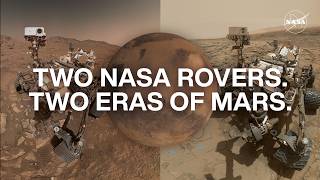
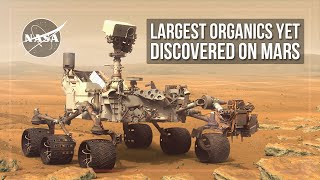
Discover Mars and learn how NASA rovers and other missions are paving the way for future astronauts to explore the Red Planet and searching for signs of ancient microbial life. Check out the technologies being used to explore Mars and think about how your experiment could be the first step for a technology or research project headed to Mars.

LEARN ABOUT Suborbital Vehicles

Learn about NASA's Flight Opportunities program and discover how NASA-supported test flights advance space exploration. These curated links and lessons will help you learn more about the benefits of testing a little closer to Earth before launching a lot farther!

Digital Tools

Start tinkering with a microcontroller. Learn how to download Mu or Arduino IDE and dive in with coding tutorials.
CircuitPython Tutorials
Get started with CircuitPython as the introductory programming language for your microcontroller. Learn how write code on a FREE programming editor like Mu. Get tinkering with curated tutorials. Build a programming foundation for your TechRise experiment.
Arduino Tutorials
Use Arduino programming language to take your microcontroller skills to the next level. Download the FREE Arduino IDE and check out our curated Arduino programming lessons. Build a programming foundation for your TechRise experiment.
 

LAUNCHING THE INNOVATORS OF TOMORROW

Managed by NASA’s Flight Opportunities program at the agency’s Armstrong Flight Research Center in Edwards, California, and administered by Future Engineers, the TechRise Student Challenge fosters the U.S. space industry through use of commercial vehicles for flight tests, while also strengthening the space technology researcher community and enabling students around the country the chance to engage directly with professional engineers in hands-on learning. TechRise is one of many NASA Prizes, Challenges, and Crowdsourcing efforts within NASA’s Research Technology Mission Directorate offering opportunities for the public to contribute to America’s space program.